

Safe intimacy is a topic that deserves clarity, confidence, and a good understanding of the options available. One tool that often gets less attention than it deserves is the female condom. A barrier method designed to give people with vaginas more control over their protection in sexual encounters. Just like any other contraceptive or protective option, knowing how it works, what it feels like, when to use it, and what benefits it offers can make a big difference in comfort and peace of mind. This guide breaks down what a female condom is, how it differs from other methods, why some people choose it, and how to use it correctly and comfortably.
Whether you’re exploring options for birth control, sexually transmitted infection (STI) prevention, or shared responsibility in intimacy, the female condom is worth understanding. It offers an alternative that is both effective and empowering for many individuals and couples who want reliable protection without sacrificing pleasure or comfort.
What Is a Female Condom? The Basics
A female condom is a soft, flexible barrier that lines the inside of the vagina (or other parts of the genital area, depending on preference). Like a male condom, it acts as a protective layer that helps prevent semen from reaching mucous membranes, which lowers the risk of pregnancy and helps reduce the transmission of STIs. Unlike male condoms, which are worn on the penis, the female condom is worn internally. Some people appreciate this difference because it gives them more control over their own protection, without relying entirely on a partner’s choices or preparedness. Female condoms are usually made from materials like nitrile or polyurethane, which are safe, allergen-friendly, and strong. They are designed to be used once and discarded, just like male condoms.
How Does a Female Condom Work?
When used correctly, a female condom forms a protective barrier between bodily fluids. It has two flexible rings: one at the closed end that stays inside the vaginal canal to help keep it in place, and another at the open end that stays outside, covering part of the vulva. This setup helps prevent semen from entering the body directly.
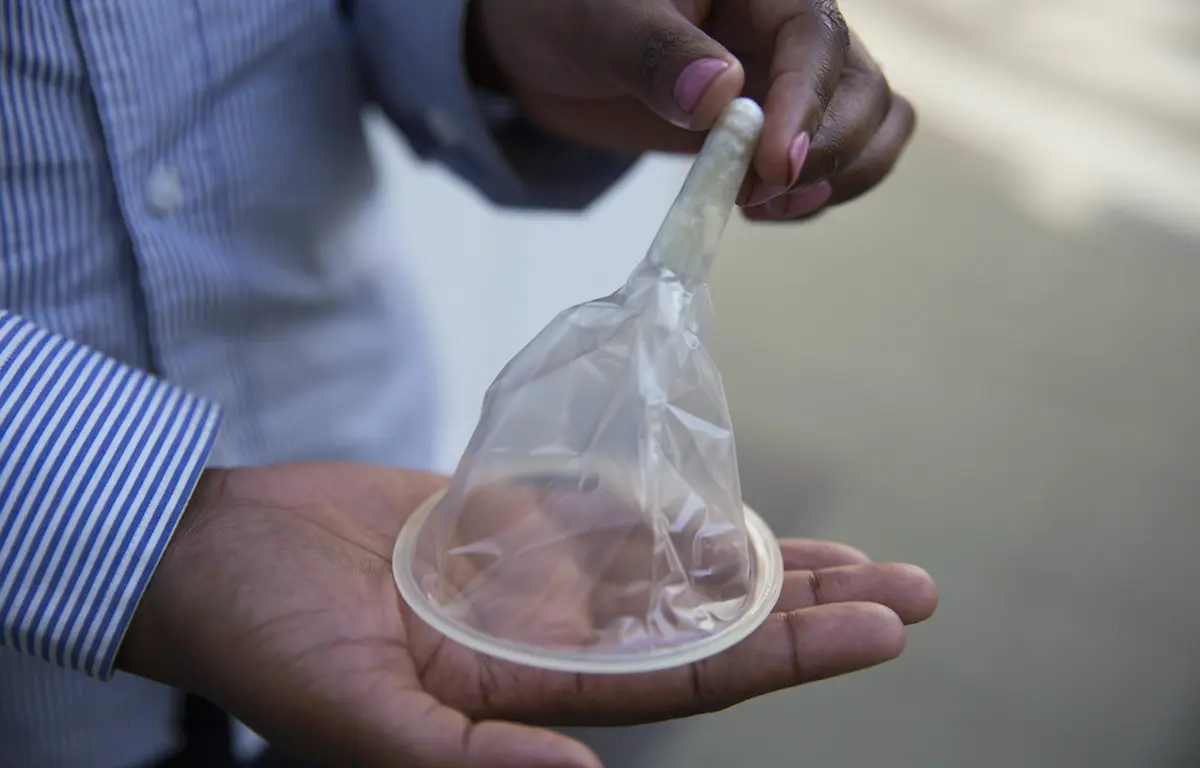
Because the condom covers not only the internal area but also part of the external genitalia, it can protect against skin-to-skin transmission of some infections, too. The female condom can be used during penetrative intimacy and offers a level of control for the person wearing it. Some users also mention that it can be inserted ahead of time, which allows for uninterrupted moments of closeness once things begin.
Female Condom vs. Male Condom: What’s the Difference?
Both female and male condoms serve similar purposes, but they differ in how they are worn and experienced:
- Control: Female condoms give the wearer control over protection, rather than relying on a partner’s condom use.
- Fit: Female condoms can accommodate a wider range of body types and do not require a firm erection to stay in place.
- Coverage: Because they cover the internal and part of the external genital area, some people feel they offer broader protection against skin-to-skin STI transmission.
- Comfort: Experiences vary among individuals; some find female condoms more comfortable, others prefer male condoms. Preference is personal and valid either way.
Both are effective when used correctly, and neither method protects against pregnancy or STIs perfectly on its own. But with consistent use, they significantly reduce risks and offer valuable options for safer intimacy.
Benefits of Using a Female Condom
There are several reasons people choose female condoms:
- More Personal Control:
You don’t have to wait for a partner to wear protection. Female condoms allow the wearer to take responsibility for their own safety.
- Allergy-Friendly Materials:
Many female condoms are latex-free, which can reduce irritation for people who are sensitive or allergic to latex.
- Broader Coverage:
Because the condom lines the vaginal canal and covers part of the external area, it can offer comfort and confidence in protection.
- Ready in Advance:
Female condoms can be inserted up to several hours before intimacy starts, which some find convenient and more spontaneous.
- Dual Purpose:
When used correctly, female condoms help protect against both pregnancy and many STIs, making them versatile and effective.
How to Use a Female Condom
Using a female condom may feel different at first, but many people find it easy with a bit of practice. Here’s a general outline of how it works:
- Open the Package Carefully: Tear the wrapper gently to avoid damaging the condom.
- Find a Comfortable Position: You can stand with one foot raised, sit, or lie down, whichever feels most relaxed for you.
- Locate the Inner Ring: The closed end has a flexible inner ring. Squeeze it with your fingers until it’s narrow enough to insert.
- Insert Gently: Guide the squeezed ring into the vaginal opening. Push it in until it reaches just past the pubic bone.
- Let the Outer Ring Sit Outside: Once placed, the outer ring remains outside the body, covering the external area.
- During Intimacy: Make sure the condom stays in place and doesn’t twist. If it shifts, pause and adjust if necessary.
- Afterward: Twist the outer ring gently to keep fluids contained, then pull the condom out carefully and dispose of it in the trash.
If you’re ever unsure, health professionals and sexual health educators can demonstrate proper usage in a non-judgmental, supportive way.
Tips for Comfortable Use
- Relax and take your time with insertion. A calm approach makes it easier and more comfortable.
- Use a water-based lubricant if needed. This can help reduce friction and make placement smoother.
- Check placement before intimacy begins to ensure the condom is positioned correctly.
- Talk openly with your partner about comfort, boundaries, and what feels good for both of you. Communication always enhances connection and safety.
Where to Find Female Condoms
Female condoms are available at many pharmacies, sexual health clinics, and online stores. Some health clinics also provide them free of charge or at reduced cost as part of public health programs.
If you’re unsure how to use one, don’t hesitate to ask a clinician or sexual health educator. They can offer guidance without judgment and help you feel confident and informed.
Final Thoughts
The female condom is a smart, flexible, and effective choice for people who want agency in their sexual health. It blends protection with personal control, offering a barrier option that is both practical and respectful of individual preferences.
It’s natural to feel curious when learning about new forms of protection. The key is informed choice, clear communication, and comfort with your own body. Female condoms reduce risk, support shared responsibility, and expand the ways people can feel safe and confident in their relationships.
Whether you’re exploring birth control alternatives or prioritising STI protection, understanding female condoms adds a valuable tool to your sexual health toolkit. With the right information and a relaxed approach, they can be a reliable, empowering choice.
Also read: Detailed Guide About Dubai Escort